
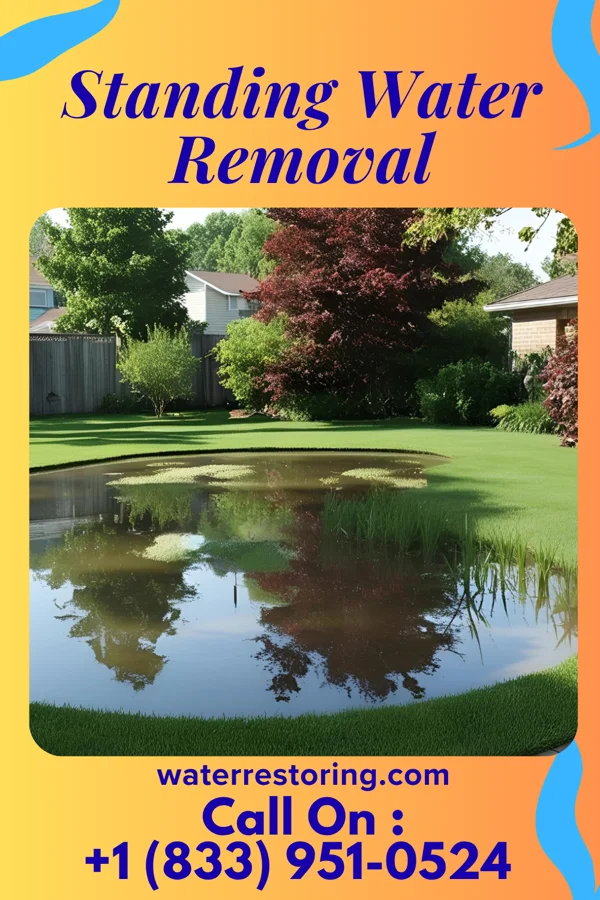
Ground-Water Standing Water in Warner Robins
Water damage in Warner Robins tends to cluster in predictable windows because of the local climate. In Warner Robins, Georgia, the primary water damage cause is often due to heavy rainfall and flooding, especially during the spring and summer months. The city's proximity to the Fall Line and its flat terrain make it susceptible to standing water accumulation, particularly in low-lying areas near Centerville and Byron. A close second is Secondary causes include leaking roofs, burst pipes, and plumbing failures in residential and commercial buildings. Additionally, the presence of Robins AFB contributes to localized water issues from military infrastructure and maintenance activities..
Warner Robins experiences a humid subtropical climate with frequent thunderstorms and heavy downpours, increasing the risk of sudden water intrusion. The city's warm, moist conditions also promote rapid mold growth if water is not addressed promptly.
Warner Robins experiences a humid subtropical climate with frequent thunderstorms and heavy downpours, increasing the risk of sudden water intrusion. The city's warm, moist conditions also promote rapid mold growth if water is not addressed promptly. The dominant local driver is In Warner Robins, Georgia, the primary water damage cause is often due to heavy rainfall and flooding, especially during the spring and summer months. The city's proximity to the Fall Line and its flat terrain make it susceptible to standing water accumulation, particularly in low-lying areas near Centerville and Byron., with Secondary causes include leaking roofs, burst pipes, and plumbing failures in residential and commercial buildings. Additionally, the presence of Robins AFB contributes to localized water issues from military infrastructure and maintenance activities. showing up as the next most common cause. Damage builds in stages. Spread. Absorption. Microbial growth. Structural compromise. Every stage you pass through adds to the final bill.